
Clinical Thermography
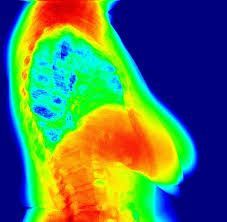
Clinical thermography is a complementary assessment method that allows observation of the body's functioning through the analysis of variations in body surface temperature. It is a non-invasive, painless method without radiation exposure, indicated for the early identification of imbalances that often do not yet present symptoms or visible changes through other methods.
Understanding this approach
By making visible thermal changes associated with inflammatory, circulatory, neurological, or metabolic processes, thermography allows for a preventive and informed approach, supporting clinical decisions and individualized follow-up strategies.
What is Clinical Thermography?
Thermography involves capturing partial or complete thermal images of the body using a high-precision infrared camera in real time. These images reflect the physiological activity of tissues, organs, muscles, and skin, allowing the identification of thermal asymmetries or anomalous patterns.
The human body naturally reacts to imbalances through temperature changes. Analyzing these variations makes it possible to identify areas that require greater attention, often before the appearance of structural changes or clinical symptoms.
How the Exam Works
The examination takes place in a temperature-controlled environment, generally between 20ºC and 25ºC, allowing for adequate thermal adaptation of the body. The average duration of the procedure is 10 to 15 minutes, during which several thermal images (thermograms) of the area to be analyzed are captured.
The images obtained are subsequently evaluated by a qualified professional, allowing for a rigorous interpretation of the observed thermal patterns.
In what situations can it be useful?
Clinical thermography can be a valuable tool in the assessment and monitoring of various situations, including:
- Inflammatory processes and chronic pain
- Fibromyalgia
- Muscle and sports injuries
- Osteoarticular changes
- Circulatory disorders
- Thyroid assessment
- Breast changes
- Gynecological and andrological disorders
- Gastrointestinal diseases
- Nervous system changes
- Urinary system
- Immunological and endocrinological changes
A Safe and Preventive Method
Because it does not use radiation or any invasive procedure, Clinical Thermography can be repeated whenever necessary, making it suitable for children, adults, and pregnant women.
Thermography does not replace conventional medical examinations, but it is an important complement, especially in a preventive and integrative approach to health, allowing for timely and informed action.